

Market Watch
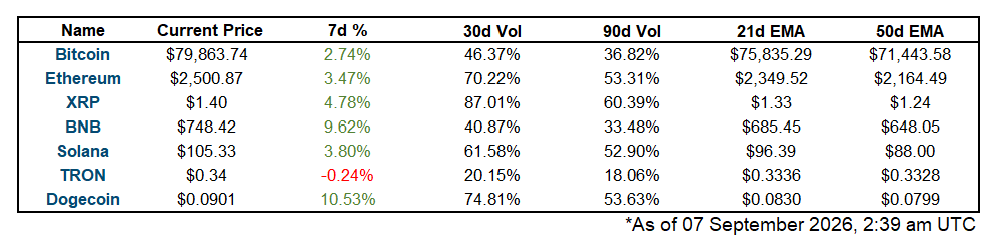
Things to Watch This Week (September 7 - September 11)
· Markets Weigh Strong U.S. Jobs Data as Fed Hike Bets Rise
Global markets turned cautious after stronger-than-expected U.S. employment data increased expectations for a September Fed rate hike. The stronger labor-market backdrop reinforced concerns that inflation may remain sticky, pushing bond yields higher and supporting the U.S. dollar while weighing on risk assets. Investors are now focused on this week’s U.S. CPI and PPI releases, which could play a key role in shaping expectations ahead of the Fed’s September policy meeting.
Random Musing This Week
Prediction Markets at a Crossroads: From Rapid Growth to Regulatory Reality
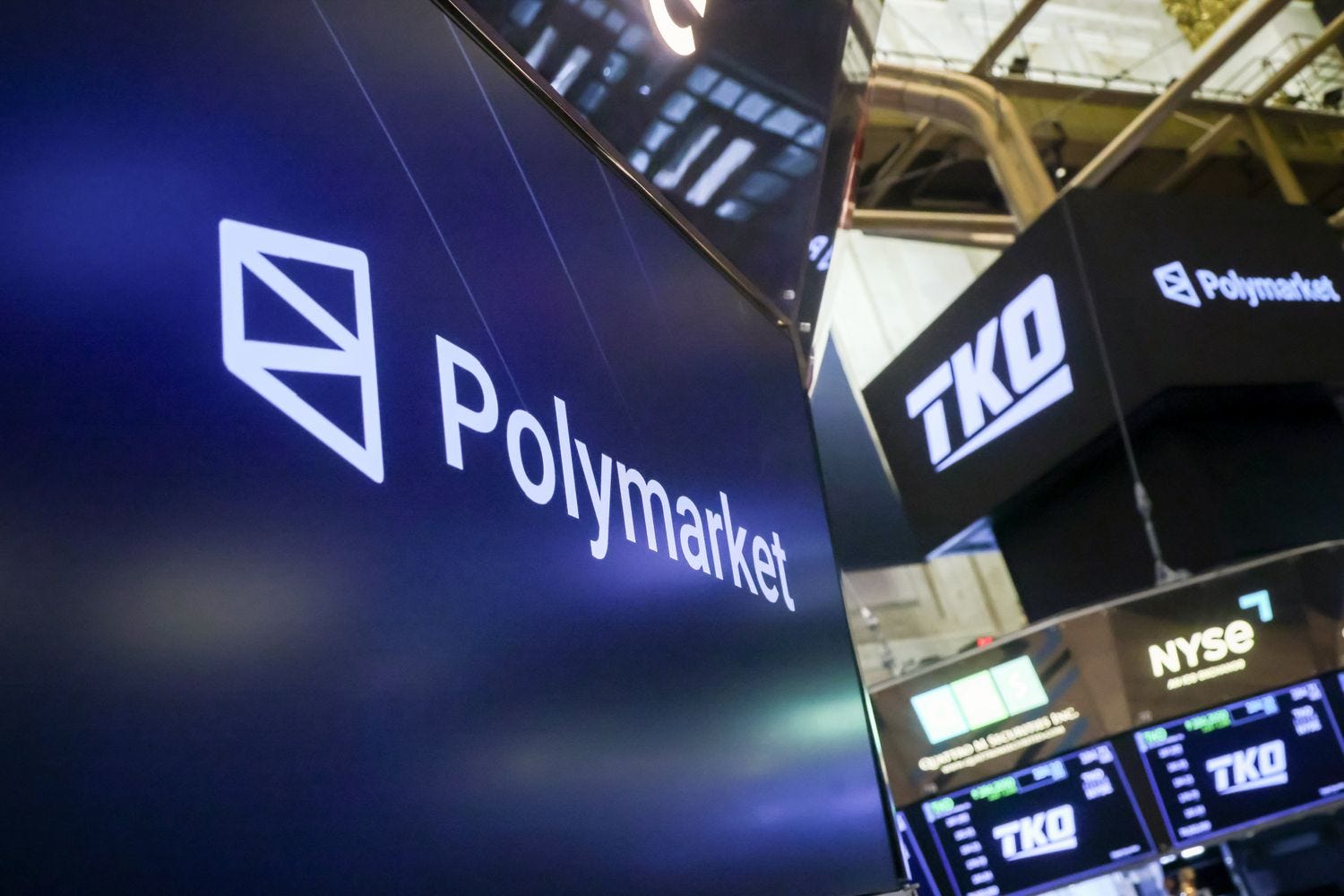
Prediction markets have rapidly moved from a niche corner of crypto and online betting into the mainstream. Platforms such as Polymarket and Kalshi allow users to trade contracts based on the outcome of real-world events, including elections, economic data, cryptocurrency prices, and sports. Contract prices generally range between $0 and $1, reflecting the market-implied probability of an event occurring.
The two leading platforms, however, were built differently. Polymarket initially grew as a blockchain-based platform, while Kalshi operates as a U.S.-regulated Designated Contract Market under the Commodity Futures Trading Commission (CFTC), positioning event contracts as financial derivatives. Polymarket has also since established a regulated U.S. presence.
Their growth has been significant. Combined monthly trading volume on Kalshi and Polymarket increased from less than $5 billion in September 2025 to around $24 billion by April 2026, with sports, politics, and crypto accounting for most activity. One reason for their popularity is simplicity: users can directly trade views on questions such as whether the Fed will raise rates, which party will win an election, or whether Bitcoin will reach a certain price. As liquidity grows, these prices can also serve as real-time indicators of market expectations rather than simply bets on outcomes.
However, this rapid growth has also created a key regulatory question: where does a prediction market end and gambling begin? The debate is particularly visible in sports-related contracts. Kalshi argues that its products are federally regulated event derivatives under the CFTC, while several U.S. states argue that contracts on sporting outcomes are effectively sports betting and should remain subject to state gambling laws. The dispute has now reached the U.S. Supreme Court, after New Jersey asked the Court to resolve conflicting views over federal and state regulatory authority.
As trading volume continues to grow, prediction markets are therefore more likely to be reshaped by regulation than eliminated by it. Clearer boundaries between regulated event derivatives and gambling-like products could allow platforms such as Polymarket and Kalshi to preserve their accessibility and information-aggregation benefits while becoming a more established part of the financial market landscape.
Recap of Top Stories (August 31 - September 4)
Top Story of the Week
Twenty-One Global Banks Commit to Launching a Joint U.S. Dollar Stablecoin
[Stablecoin] [Banking] [Institutional] [Infrastructure]
On September 1, twenty-one international financial institutions committed to forming a new company to issue a U.S. dollar stablecoin — among them Bank of America, Citi, Goldman Sachs, Wells Fargo, PNC, Fidelity, Scotiabank, TD, Deutsche Bank, UBS, Santander and MUFG.
The unnamed entity is due to be established in the second half of 2026, with the stablecoin targeted to reach market in the first half of 2027. It is aimed at institutional and retail use for cross-border payments and settling digital-asset trades, expanding later into other G7 currencies.
The consortium spans five continents and follows the shared tokenized-deposit network announced by major U.S. banks in July — together a decisive move by the regulated banking system to build digital money on its own terms.
Also, In Focus
Standard Chartered Opens Institutional Bitcoin and Ether Spot Trading in the UAE
[Banking] [Institutional] [Middle East]
On September 3, Standard Chartered began offering institutional spot trading in bitcoin and ether in the United Arab Emirates through its Dubai International Financial Centre entity, becoming the first global systemically important bank to provide the service in the Gulf.
The trades are deliverable, so clients take possession of the underlying assets at settlement and may settle with a custodian of their choice, including the bank’s own. Access runs through the same electronic channels clients already use for foreign exchange, extending a desk Standard Chartered launched in the UK in July 2025.
ICE Taps tZERO to Build Transfer-Agent Infrastructure for Its NYSE-Affiliated Tokenized Platform
[Tokenization] [Capital Markets] [Institutional]
On August 31, Intercontinental Exchange and tZERO signed agreements naming tZERO a design partner for the digital transfer-agent and broker-dealer infrastructure behind ICE’s planned NYSE-affiliated tokenized securities platform. ICE will also invest in tZERO’s financing round.
ICE receives a license to tZERO’s blockchain patent portfolio — 103 patents covering compliance-aware transfers, smart contracts and corporate actions — and both will evaluate tokenized assets as collateral at ICE’s clearing houses.
South Korea Sets a Three-Phase Roadmap to Tokenize Stocks, Bonds and Funds
[Tokenization] [Asia] [Capital Markets]
On September 4, South Korea’s Financial Services Commission published a three-phase roadmap extending tokenization to traditional securities. Phase one begins February 4, 2027, when amended law recognizes distributed ledgers as securities registries.
Phase one covers privately placed money market funds and bonds for institutional investors, unlisted stocks in trust, and fractional investment securities. Phases two and three — all public securities, then stablecoin-linked payments — remain undated.
Upcoming Market Events
September 9 - Stablecon USA
September 15 - CLARITY Act procedural vote
September 16 - FOMC Decision